Authored by Darron Misplon
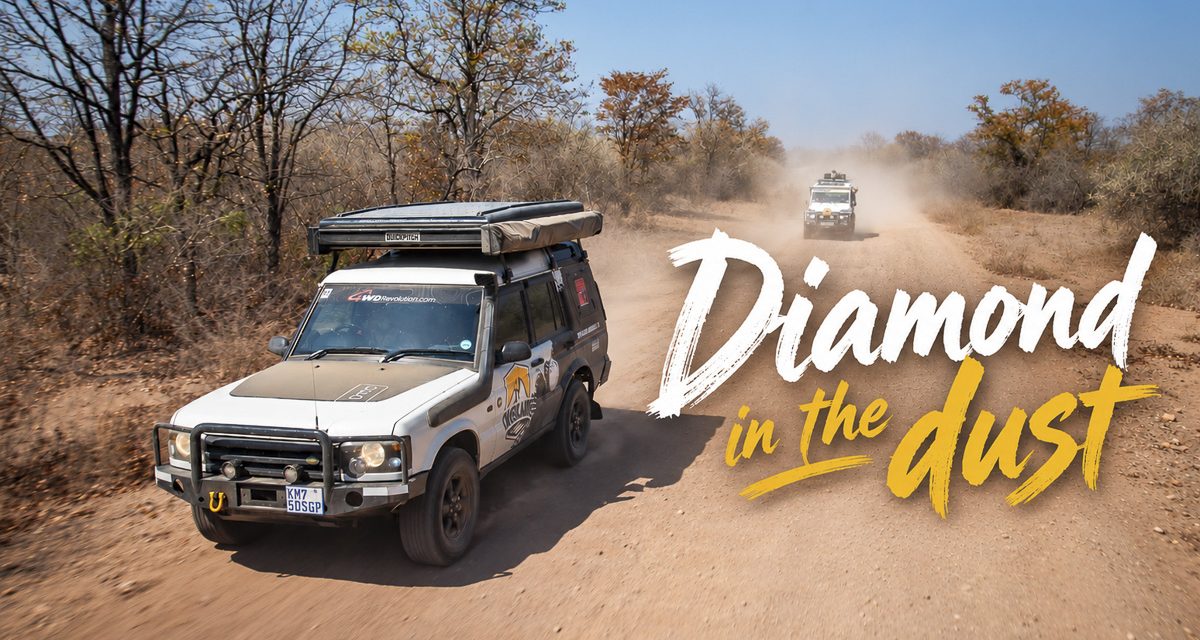
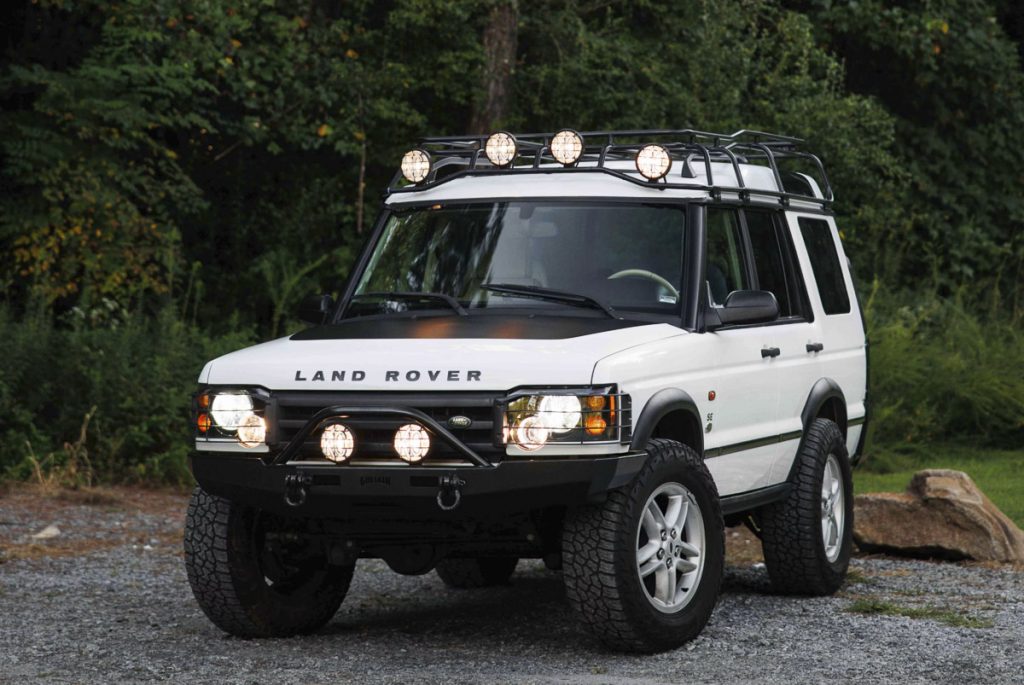
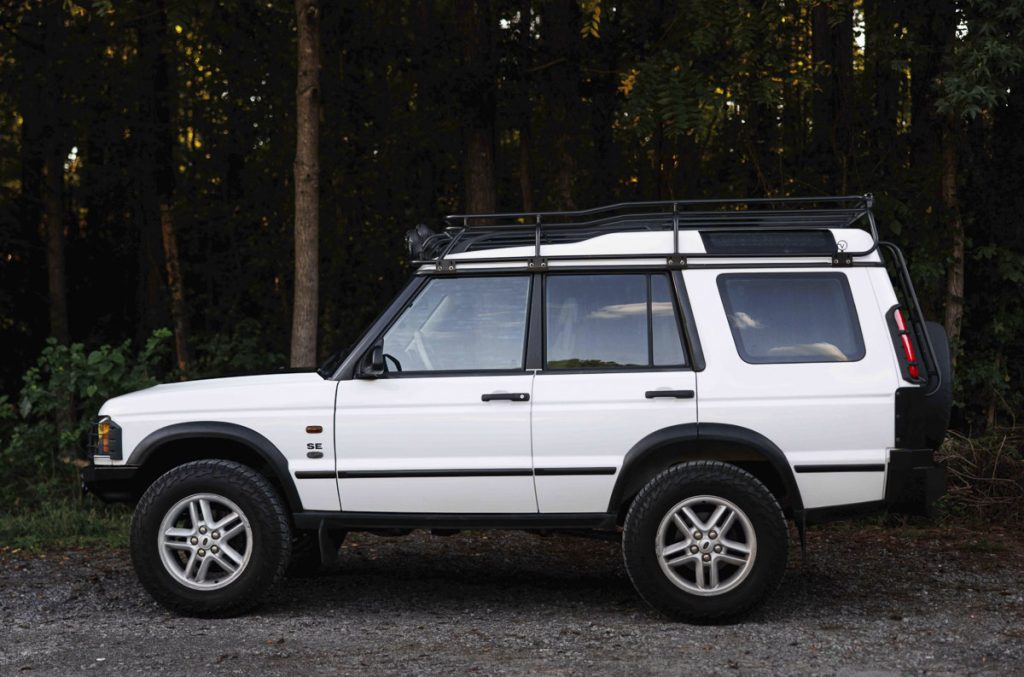
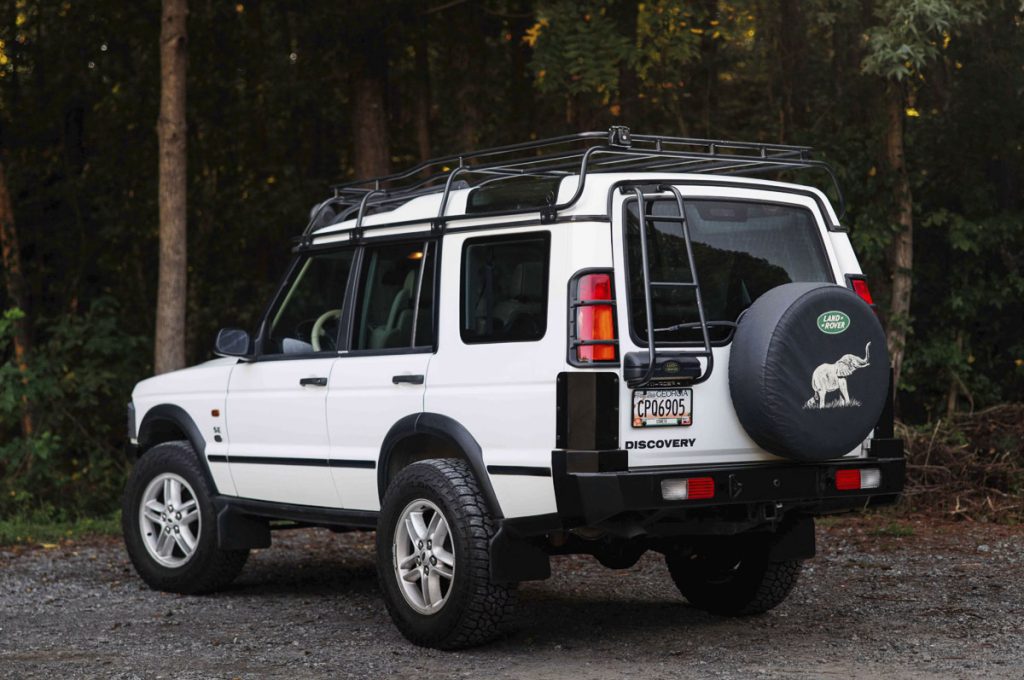
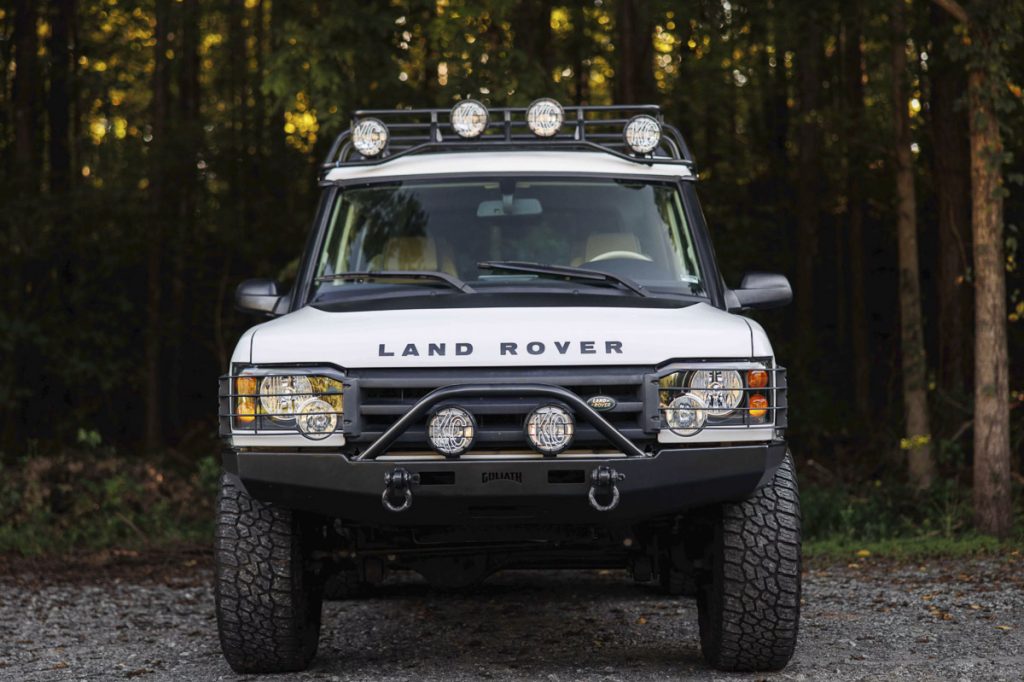
One of the most overlooked vehicles in the overland carpark has to be the Land Rover Discovery 2. Arguably every bit as good – and some might say, better – than its older brother, the Defender, the Disco 2 seems to get very little attention in the second-hand market.
So, while it’s not uncommon to see a Defender selling for R450k, a Disco 2 with the same engine, similar mileage, and the same year model, is doing well to get over R100k.
If you’re in the market for a low-cost, highly capable overlander, there are two ways to view this value disparity. The first is to assume that the Disco 2 has some inherent flaw which makes it a risky buy. The second – if you’re someone who values data over sentiment – is to see it as a massive buying opportunity.
If you’re keen to try the overlanding scene, this is a way to get in without having to sell off your Capitec shares. If you do decide to bail and have to sell, you might even net neutral.
With that in mind, we asked Darron Misplon – a self-confessed Disco 2 enthusiast – to highlight the ins and outs of D2 ownership, as well as what to look for when buying one.
If you recognise Darron’s name, it’s because he previously wrote for us about why he wouldn’t’ buy a Discovery 3 or 4, largely due to their crank-shaft issues.
A brief introduction
The Discovery 2 was launched in 1999 as a development of the Discovery 1, which was Land Rover’s successful attempt to fill the gap between the more basic Defender and the prestigious (and pricey) Range Rover.
The Discovery 2 was a completely new vehicle, with only the rear door carried over. The R380 manual gearbox and LT230 transfer case were retained, while a ZF automatic gearbox was also available.
Two engines were offered: the “Storm” Td5 and the “Thor” 4.0-litre V8, the latter being a derivative of the original 3.5-litre Buick V8 that Land Rover bought the rights to in the early 60s.
South Africa received three model designations: GS, XS, and ES. The ES was the full-house version, with features including ACE (Active Cornering Enhancement), electric sunroofs, leather, climate control, cruise control, a Harman Kardon sound system, and self-levelling air suspension.
Ironically, a basic GS isn’t necessarily a bad choice as there is simply less to go wrong.
Most Discovery 2s sold in South Africa were automatics, reflecting the vehicle’s positioning as a premium vehicle. The ZF boxes are fairly reliable if serviced regularly and not abused, although the XYZ switch is a known weak point. This is a selector position switch which is mounted on the side of the gearbox, it tells the ECU and dashboard which gear has been selected.
The Discovery 2 was never particularly brilliant at any one thing, but it has proved to be a brilliant all-rounder: comfortable, economical (in Td5 guise), sufficiently powerful, spacious, and very capable off-road thanks to a centre diff-lock that works in conjunction with traction control.
This guide focuses mainly on the Td5, although some of the issues mentioned apply to the V8 as well.
ECU and injector harness
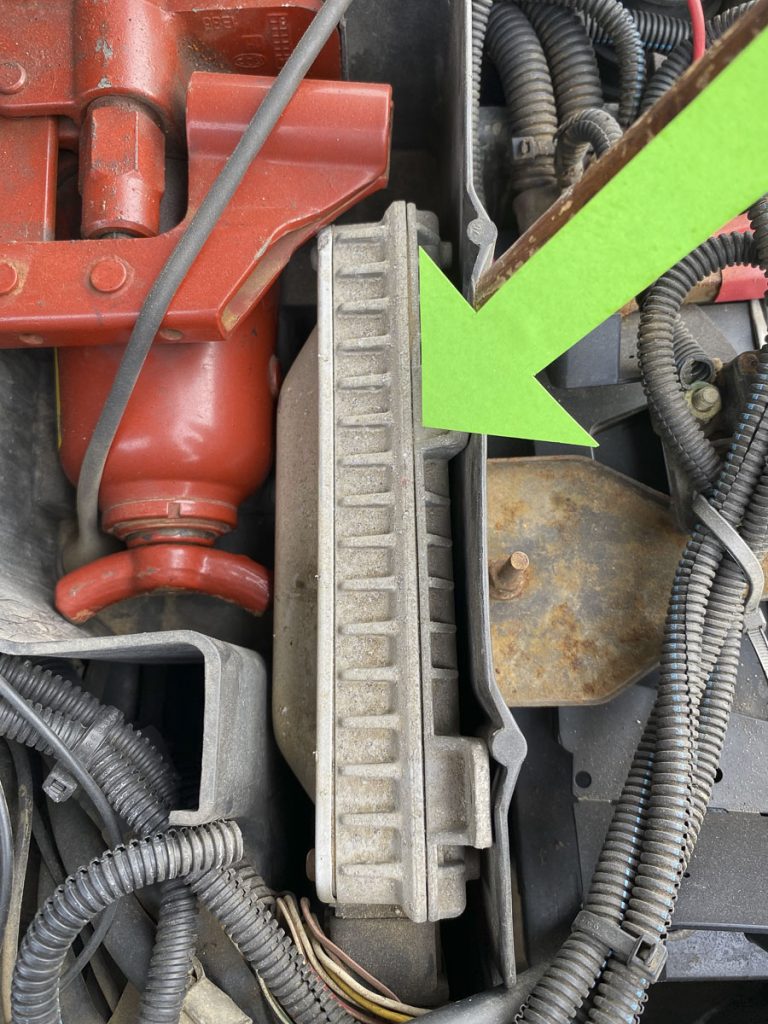
Early engines had the MSB ECU which was ‘locked’ so it couldn’t be mapped. But most vehicles will have the later NNN ECU. These can be mapped, and if you suspect it has been, you need to find out what map was installed and who did it.
Some aggressive maps produce glorious power but lousy fuel consumption. Remember that the turbo diesel is already a stressed engine, so there is little sense in stressing it further with a wild map. While you’re there, pull out both electrical plugs connected to the engine ECU and check for oil.
These plugs are connected directly to the diesel injectors inside the cylinder head, and the wiring harness is known to suffer from oil contamination through osmosis. The plugs can be cleaned with Q20 or similar, but replacing the injector wiring harness is preferable.
Oil pump bolt
This affected the earlier models in particular, but it is worth checking. The factory omitted Loctite from some oil-pump bolts, and this sees them work loose. The result can be an instant drop in oil pressure followed by a seized engine. If you’re buying an early Td5, drop the sump, remove the bolt, apply Loctite, and sleep peacefully.
Turbocharger
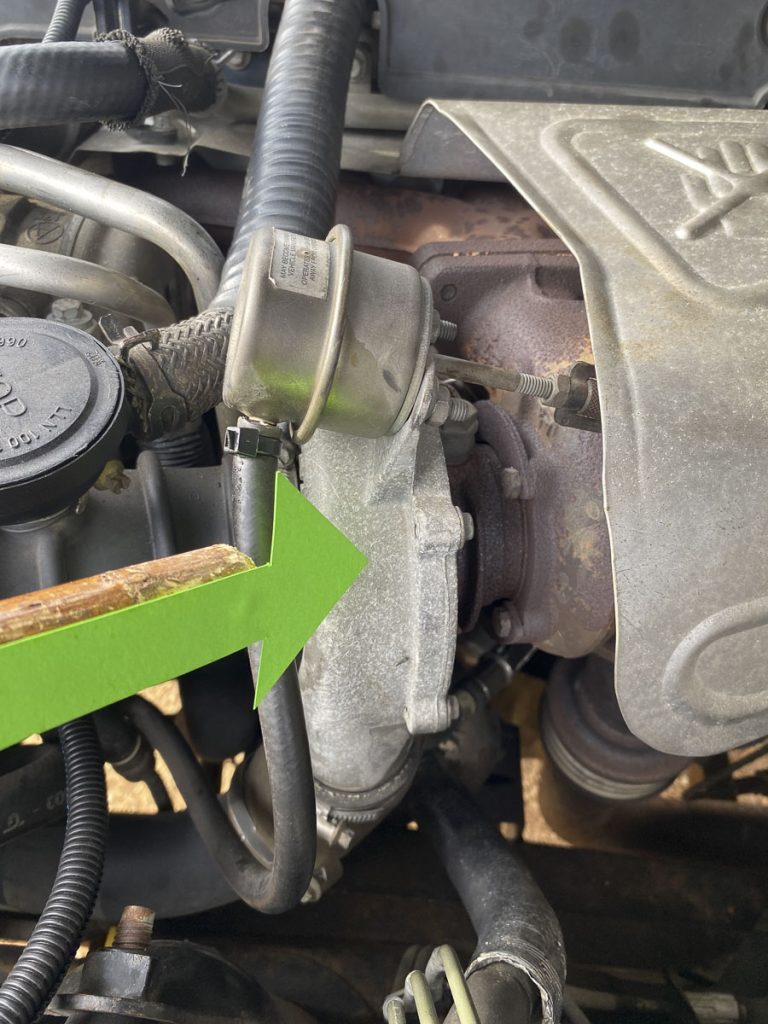
The Garrett turbochargers used on the Td5 are generally very reliable. Check its condition by removing the air-filter hose from the turbo and look for excess oil, this may indicate worn oil seals. Also check for sideways play in the turbo spindle. If there is excessive play, you could be looking at a replacement or rebuild, so budget accordingly.

MAF sensor
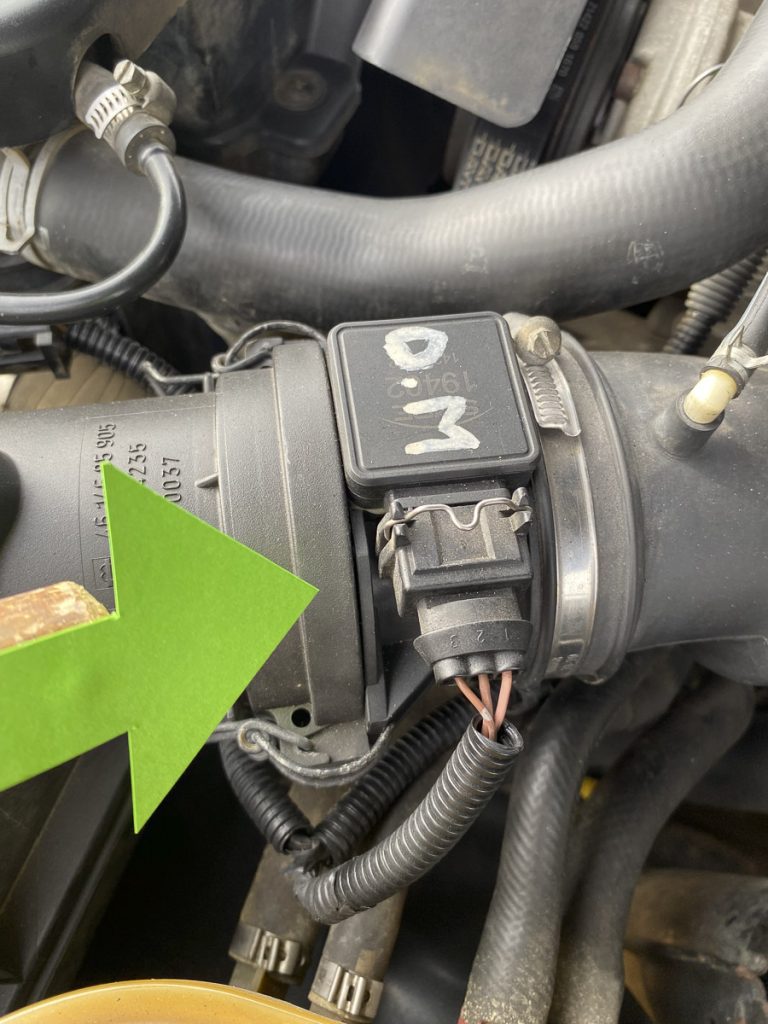
The MAF sensor is crucial to the ECU operating correctly. On a test drive, watch for a few seconds of hesitation or a lack of power when pulling away. This can indicate that the MAF isn’t operating within the correct parameters. The ECU may subsequently default to its factory settings, allowing you to drive normally again. An OBD scan can help confirm a faulty MAF. If it needs replacing, use an original part.
Fit an early-warning system
A Black Box or other early-warning system could save your engine. If the Discovery you’re looking at already has one, say a prayer of thanks. A budget solution is a float with an audible alarm fitted to the header tank. Cheap, but it could save a lot of tears.
Exhaust manifold
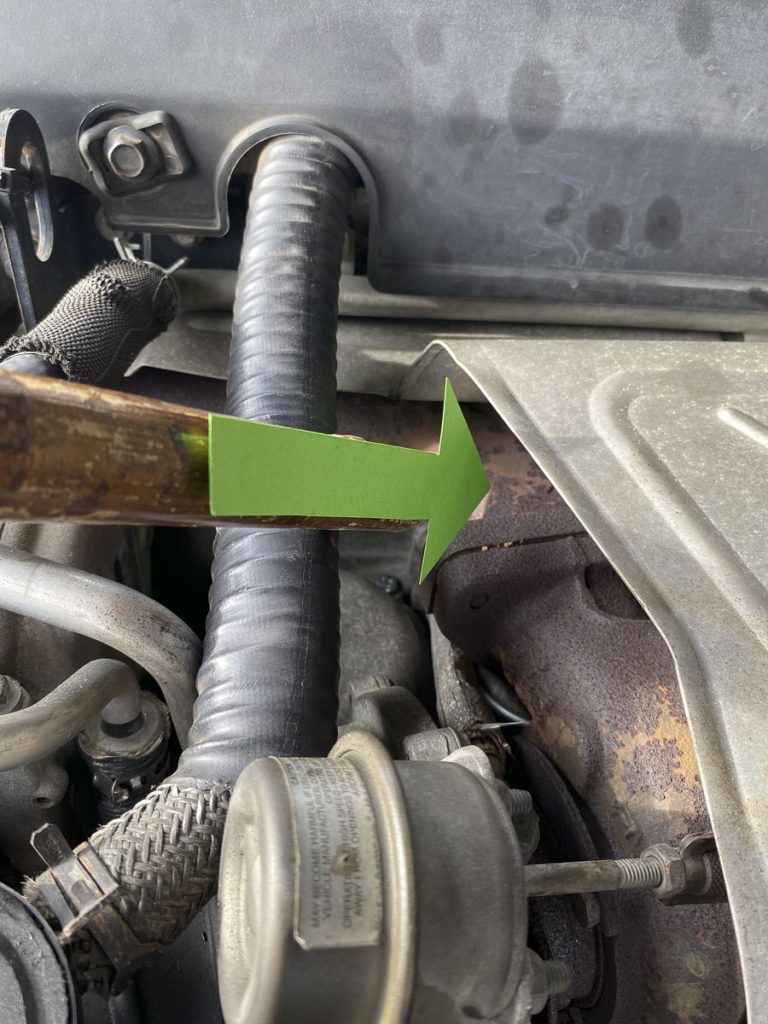
Listen for a “birdie” whistling from the exhaust manifold. A common Td5 problem is a warped exhaust manifold that begins blowing gases. It will need to be removed, skimmed, and refitted using new gaskets and bolts. Be aware that an exhaust manifold bolt can break during removal. Professional help is advisable here; you don’t want to damage the cylinder head.
Cylinder head
If the cylinder head requires replacement, consider an AMC replacement. This is an improved design and worth the money. Early cylinder heads were located on the block using plastic dowels, while later units used steel dowels. The plastic dowels could allow the head to shift, compromising the head gasket.
Cooling system and oil cooler
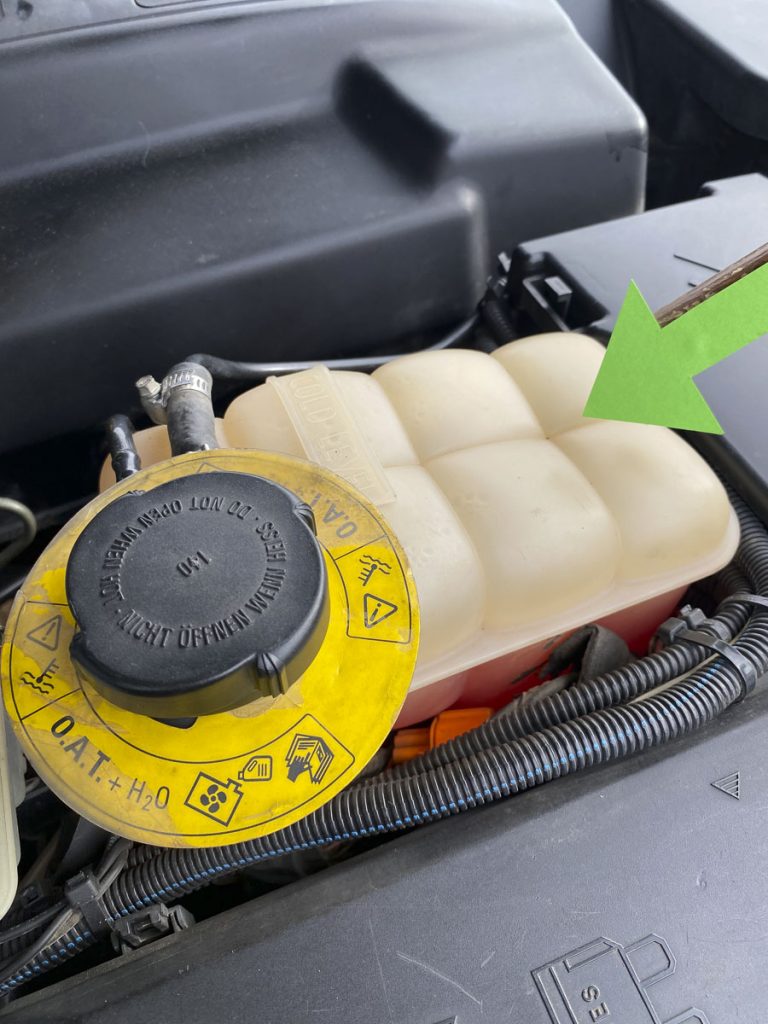
Check the coolant header tank. If it contains only water, which will probably be brown by now, walk away from the deal. The Td5 has an internal oil cooler, and using the incorrect coolant mix can compromise it. An oil cooler leak can become an expensive exercise if the engine isn’t shut down immediately.
If you buy a vehicle and are unsure of the oil cooler’s history, save some Randelas and have the unit replaced as soon as possible.
Transmission and drivetrain
Manual gearbox and dual-mass flywheel: The Discovery 2 manual uses the R380 gearbox and a dual-mass flywheel (DMF). When test driving, listen for rattling at idle or during pull-off. This may indicate a worn DMF. Don’t be tempted to fit a solid flywheel simply because it is cheaper and the Defender uses one. You will be disappointed.
If towing with a manual, use 4th gear, which has a 1:1 ratio. I’ve seen too many 5th gears ripped from their housings in R380 gearboxes because people insisted on using this gear to tow with.
Automatic gearbox
The ZF automatic is generally reliable if it has been serviced regularly and not abused. Its Achilles heel is the XYZ switch previously mentioned, which can occasionally cause problems.
Prop shafts
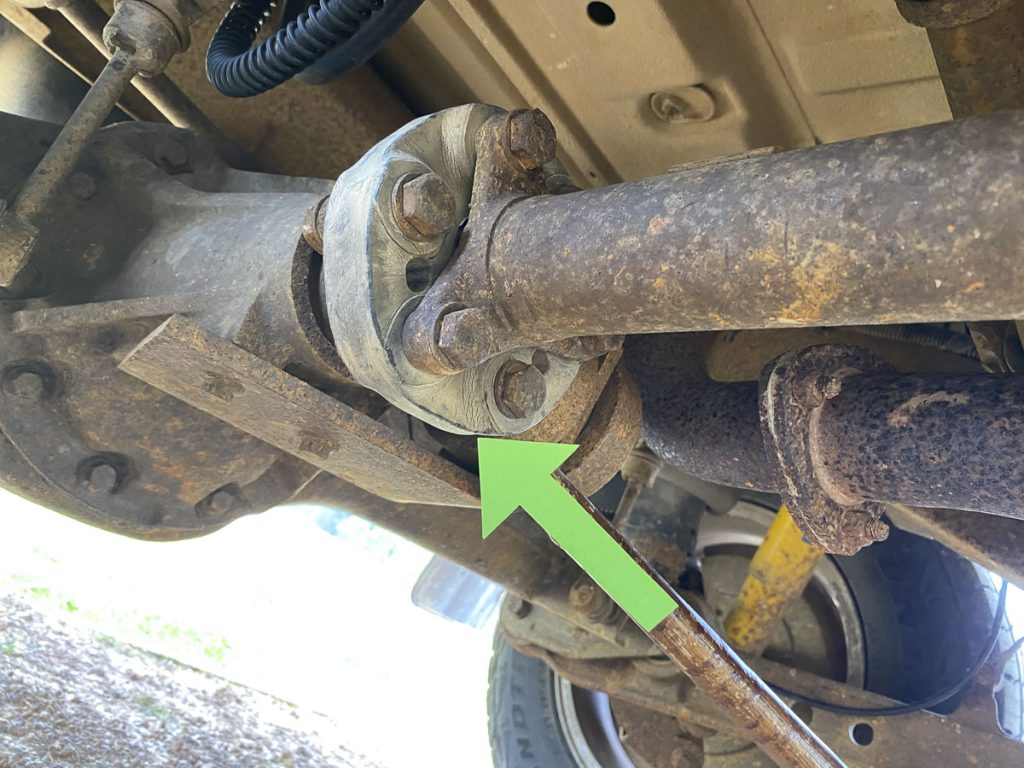
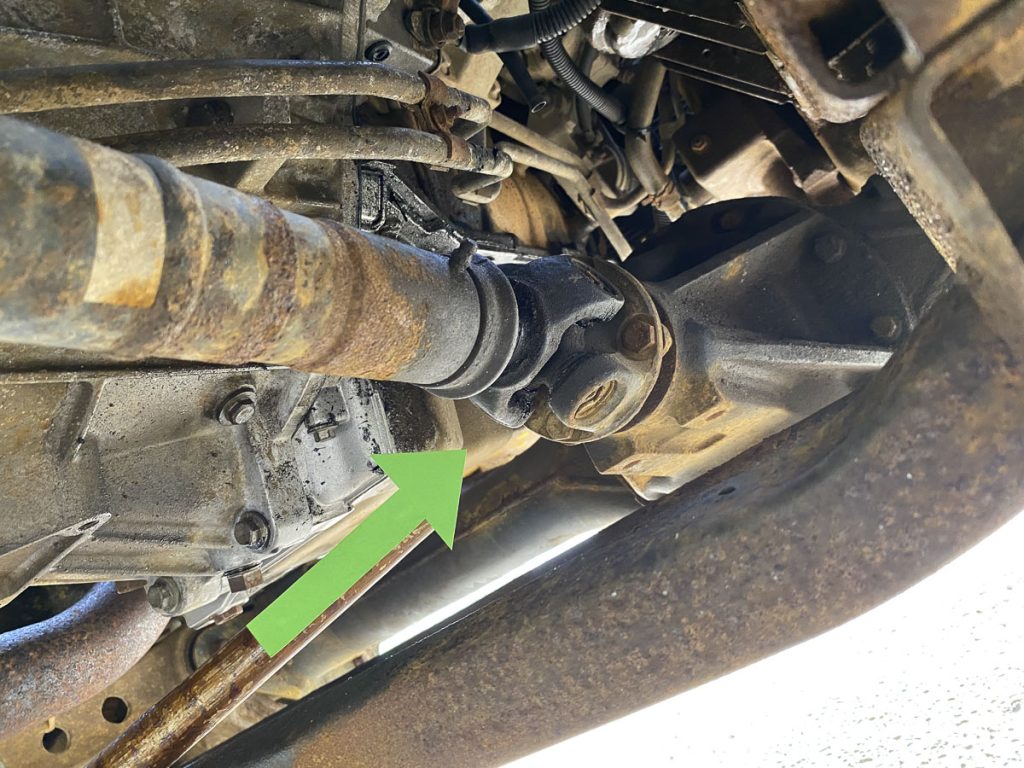
Check both prop shafts carefully. The rear prop shaft has a rubber coupling. Look for cracks. It isn’t particularly expensive or difficult to replace. The front prop shaft has a universal joint – twist the prop by hand and listen for a “click”. If you hear one, the prop may need to be reconditioned. Budget accordingly.
Td5 fuelling and boost
Fuel pump: Turn the ignition on and listen carefully around the fuel tank. A heavy whining noise from the fuel pump can indicate that it is on its last legs.
The good news is that there is an access hatch in the load bay area, making pump replacement relatively straightforward. Be careful with the plastic couplings, as they break easily. Take note of the automated bleed cycle, this is activated by depressing the accelerator pedal five times with the ignition on.
EGR
Check whether the EGR has been removed. There is a kit available for this, allowing the Td5 to breathe fresh air. South Africa does not have to follow EU emission laws.
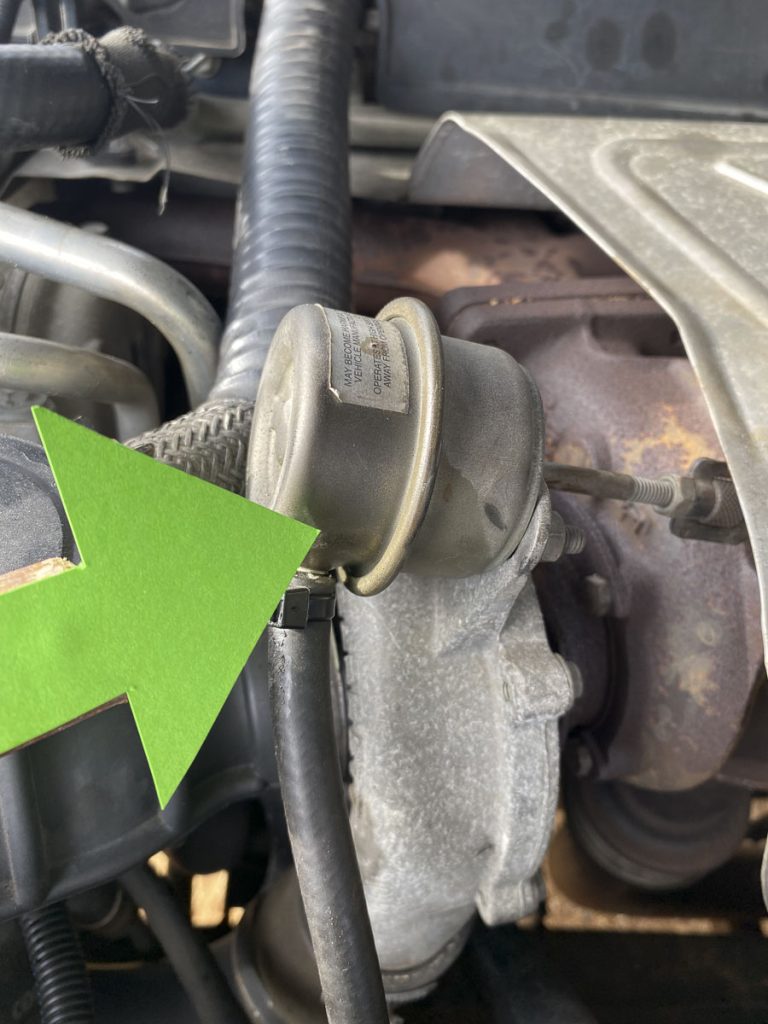
Waste Gate
Check that the waste-gate arm moves freely. It can carbon up, preventing the waste gate from dumping excess pressure. The ECU will then intervene and momentarily cut the fuel supply, resulting in the familiar “hobby-horse” motion while driving.
The Discovery’s waste gate uses electronic control. If this system is faulty, it can be removed and reverted to the standard Defender system, where one vacuum hose is connected to the air-filter pipe.
Suspension and off-road systems
The self-levelling rear air suspension in the Discovery 2 is a brilliant feature, so don’t be tempted to replace the airbags with coils simply because those seem simpler. The compressor can over-cycle if there is a leak in the airbags, causing it to eventually burn out. The compressor can be reconditioned, and the airbags are relatively inexpensive and easy to replace.
ACE
The ACE, or Active Cornering Enhancement system, is simply brilliant. The bushes may be worn, so check them, and look carefully for ACE leaks. The system can be removed, but this needs to be done by someone who knows what they’re doing. The ACE pump must be removed, a different idler fitted, and the ECU told that ACE is no longer fitted.
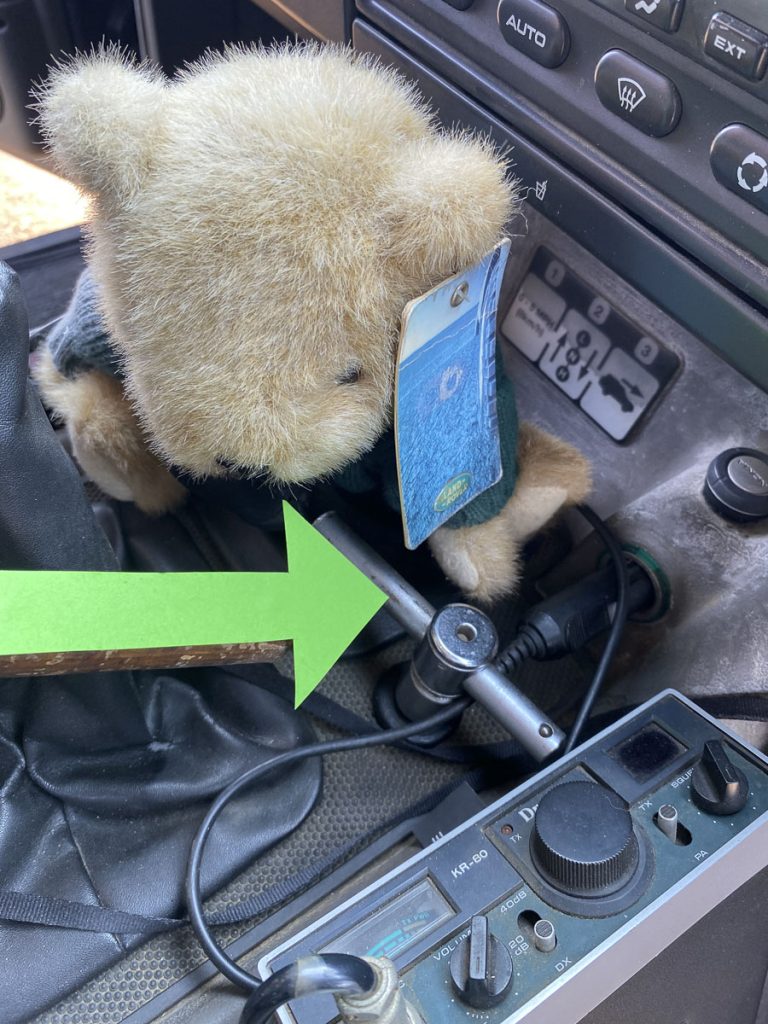
Traction control and centre diff lock
Early Discovery 2s were fitted with traction control only. But the centre-diff-lock (CDL) mechanism was actually in place, inside the transfer case but no way to activate it. If you’re lucky, this is the case with the Discovery you’re looking at, in which case you simply need to fit an activation lever.
If the transfer case has no CDL mechanism, it is worth replacing the box with one that does. Traction control on its own is simply not good enough off-road.
Door locks
One of the biggest challenges with the Discovery 2 are the electronic door-lock solenoids. Land Rover no longer supplies them and good ones are becoming increasingly difficult to find. Be warned: someone may sell you a used one without any guarantee that it works. The doors cannot be opened manually, so make sure every door lock and the central locking system works correctly before buying.
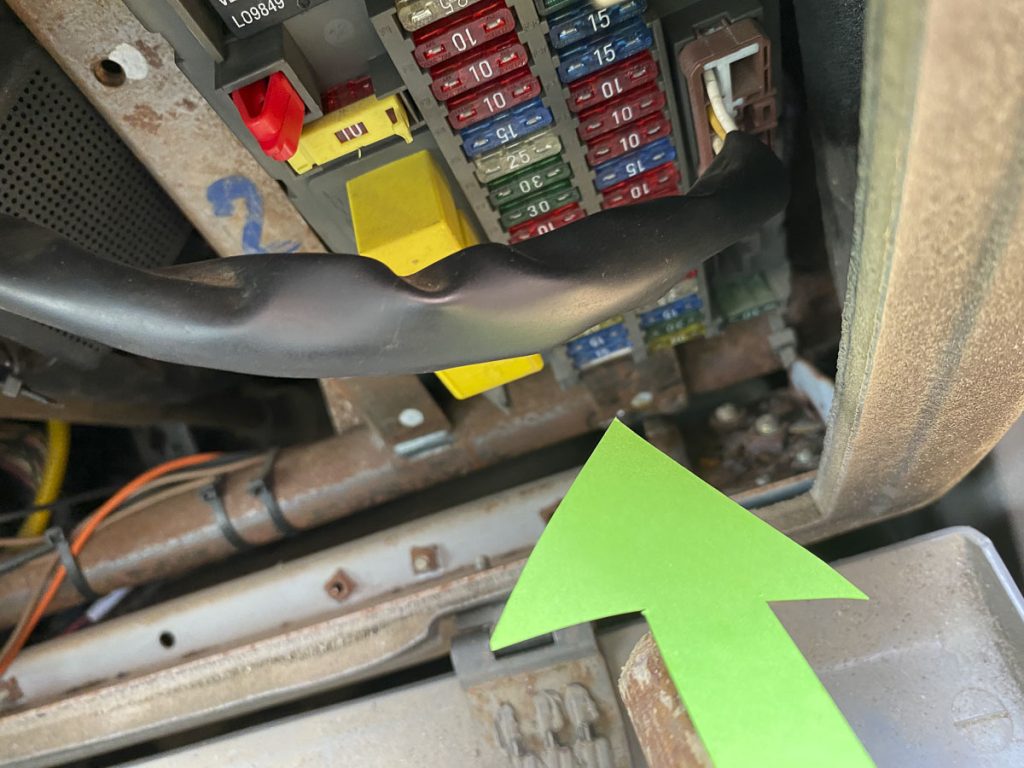
Body, water leaks, and electrics
The windscreen surround is a known weakness for rust, as are the areas around the sunroofs. Once you’ve bought the vehicle, remove the roof lining and double-check that all the sunroof’s drain pipes are connected and functioning. This is important because water leaking down through the windscreen on the driver’s side can corrode the IDM, the central fuse box that works in conjunction with the body control unit ECU.
Check whether the IDM has suffered any damage and, importantly, check that every electrical function in the Discovery works. A second-hand IDM can be fitted, but it needs to be synchronised with the BCU.
Check that every window goes up and down properly. Many of the window rails will be rusted by now. Front window rails are still available new, but rear window rails can be difficult to find and may require trawling through scrapyards.
Starter motor
If you hear a “click-click” when trying to start the truck, the two contact plates in the starter motor could be on their way out. It is a common repair. Replace the solenoid plunger at the same time.
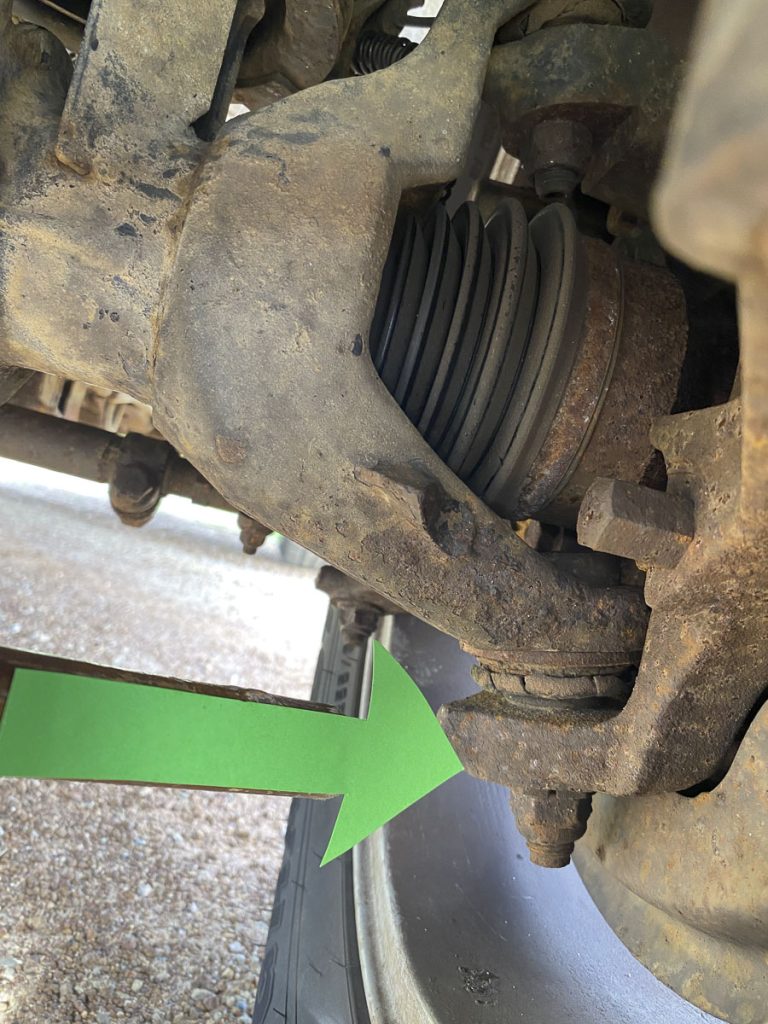
Lower control-arm bushes
These are likely to be worn if they haven’t already been replaced. They are a pig of a job to replace and are best left to a professional as they can be extremely difficult to press out of the lower control arms. Budget around R6 000.
Conclusion
These are most of the issues you need to be aware of when looking at a second-hand Discovery 2.
The important thing is not to be scared off by a long list of potential problems. These vehicles are now old, and almost any Discovery 2 you buy is going to need some attention. Find a good one, sort out its foibles and you will have a brilliant overlander which is more than capable both on and off road.
The other great thing about the Discovery 2 is that it has legions of die-hard fans around the world, and many of them are online on the various forums. So, there’s a lot of knowledge you can access if you have issues. Plus, locally there are a number of workshops that specialise in older Land Rovers.
Discovery 2 prices also appear to be slowly increasing. They start at around R50 000, while mint examples can sell for around R140 000. Whatever you think of Land Rovers, that is a lot of truck for relatively little money.
But be clever and budget at least another R50 000 to get the truck sorted and its foibles fixed.
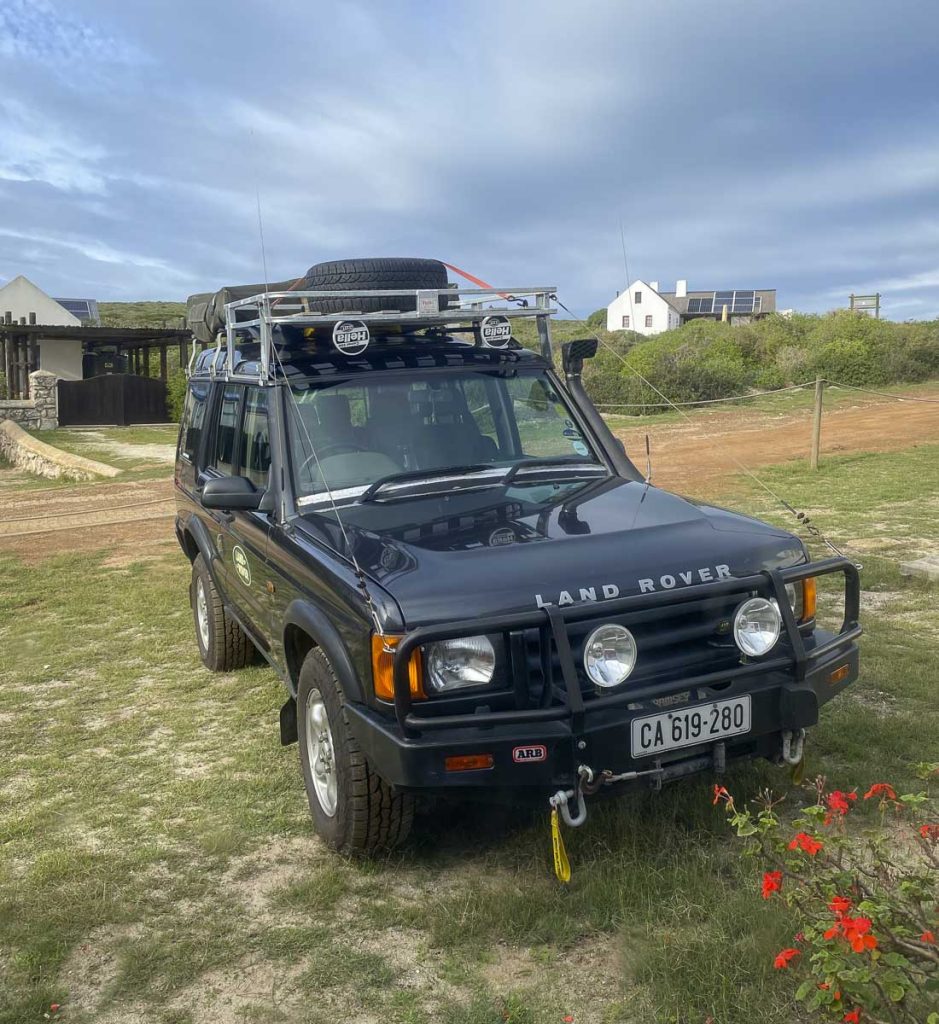
About my Discovery
I purchased my 1999 D2 Td5 ES manual in April 2004 and have owned it ever since. I have competed at points events within the Cape Land Rover Club and have completed a number of overland trips in my faithful D2, including Baviaanskloof, Kgalagadi and the Richtersveld, to name a few. My blood is green and I sport a Land Rover tattoo – even though it’s faded now!